Coloplast Norge AS er et heleid datterselskap av det danskeide Coloplast konsernet.
Coloplast Norge AS markedsfører og selger sykepleieartikler i hele Norge innen områdene stomi, kontinens, hud og sårpleie.
Hud og sårpleieproduktene distribueres av Mediq Norge.
I Norge er vi 38 ansatte. Vårt mål er til enhver tid å tilby kvalitetsprodukter, samt yte best mulig service til våre kunder.
Produksjonen foregår i ulike deler av verden. Vårt distribusjonslager er i Kungsbacka, Sverige..
Coloplast Norge holder til i Miljøhuset GL på Ryen i Oslo. Miljøhuset GK er det første private næringsbygg i Norge som er klassifisert som passivhus.
Coloplast utvikler produkter og tjenester som gjør hverdagen enklere for mennesker med personlige medisinske behov. Tett samarbeid med brukere av våre produkter hjelper oss å lage løsninger tilpasset deres behov. Vi kaller dette intimsykepleie. Vår virksomhet inkludere produkter innen stomi, urologi og kontinens, samt sår og hudpleie. Vi er et internasjonalt selskap med mer enn 12000 ansatte på verdensbasis.
Fra det øyeblikket vi begynner å utvikle et nytt produkt tar vi miljøhensyn. Vår produktutviklingsprosess evalueres kontinuerlig for å være sikker på at miljøpåvirkningen reduseres.
Coloplast Norge AS er medlem i Medtek Norge, bransjeorganisasjonen for helse - og velferdsteknologi.
Historien til vår merkevare
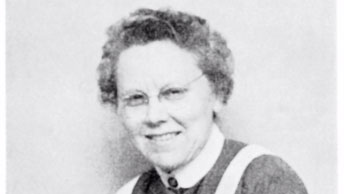
Coloplasts historie startet allerede i 1954. Elise Sørensen er sykepleier. Søsteren hennes, Thora, hadde nettopp gjennomgått en stomioperasjon og var redd for å gå ut. Hun fryktet at stomien skulle lekke i full offentlighet. Etter å ha lyttet til søsterens bekymringer fikk Elise ideen om verdens første selvklebende stomipose.
Basert på Elises idé utviklet Aage Louis-Hansen, sivilingeniør og plastikkprodusent, og konen hans Johanne Louis-Hansen, sykepleier, stomiposen. Stomiposen som hjalp Thora – og tusenvis av personer som henne – med å leve slik de ønsker.
En enkel løsning som har stor effekt.
Våre produktområder inkluderer stomi-, kontinens-, hud- og sårpleie og urologipleie. Vi er et internasjonalt selskap med over 10 000 ansatte.
Bak ideen
Berørt av sin søsters vanskelige situasjon, gikk Elise Sørensen i gang med å utvikle et hjelpemiddel som kunne overvinne ulempene ved de eksisterende anordningene. Og hun lyktes! hennes idè var både enkel og genial på samme tid, selv om den kan virke primitiv sammenlignet med dagens moderne poser. Det revolusjonerende gjennombruddet var et faktum. Posen var en engangspose, utstyrt med et klebestoff som gjorde det mulig å sette posen direkte på kroppen, uten behov for besværlige stropper.
Da hennes idè hadde blitt avvist av flere som produserte produkter for handikappede, henvendte hun seg til Dansk Plastik Emballage; et lite, men fremgangsrikt firma, eid av Aage Louis-Hansen. Plastikkemballasje hadde nettopp vunnet innpass og den nærmest ubegrensede anvendelsen polyetylen hadde, skapte begeistring i markedet.
Aage Louis-Hansen hadde hurtig oppnådd suksess ved å utvikle innovative sveisemetoder som gjorde at hans emballasje var fullstendig tett. I tillegg var han i stand til å frem stille skreddersydde poser til kunders individuelle behov. Han hadde ingen tanker om å fremstille produkter til den medisinske forbruksindustrien, så han var naturlig nok skeptisk når Elise Sørensen drøftet dette med han første gang. Heldigvis så hans kone, Johanne Louis-Hansen, mulighetene som lå i dette nye produktet. etter som hun selv var sykepleierutdannet, så hun straks hvordan den nye posen kunne hjelpe en stor del av de menneskelige lidelsene som oppsto etter en stomioperasjon.
Aage Louis-Hansen så på stomiposer som en naturlig utvidelse av sin produksjon og ba sin arbeidsformann håndlage 1.000 stykk. de ble umiddelbart sendt ut som prøver til sykehuskontakter over hele Danmark og ble positivt omtalt i et ledende tidsskrift. Hans iherdighet bar raskt frukter, da Dansk Plastik Emballage mottok et hav av ordre på det nye produktet.
Coloplast ble etablert i 1957. På det tidspunktet var firmaets produkter allerede kjent langt utenfor Danmarks grenser. Kun to år etter starten, ble mer enn to tredjedeler av dets produksjon eksportert.
I dag ser man Coloplastnavnet på en lang rekke stomihjelpemidler, på kontinensprodukter, hud og sårpleieprodukter. Med datterselskaper og forhandlere over hele verden er Coloplast en ledende leverandør til sykehus og blåresept-markedet.